Coriander Export from Egypt and Sourcing Opportunities for Importers
Coriander is an important spice in international food markets. It is widely used in seasoning blends, spice mixtures, food manufacturing, and wholesale distribution.
Importers and food manufacturers look for reliable suppliers who can provide coriander seeds with clear specifications, suitable quantities, and appropriate packaging for international transportation.
When sourcing coriander from Egypt, buyers should evaluate product quality, cleanliness, moisture levels, packaging options, export documentation, and shipping requirements before placing a commercial order.
Why Do Importers Consider Egyptian Coriander?
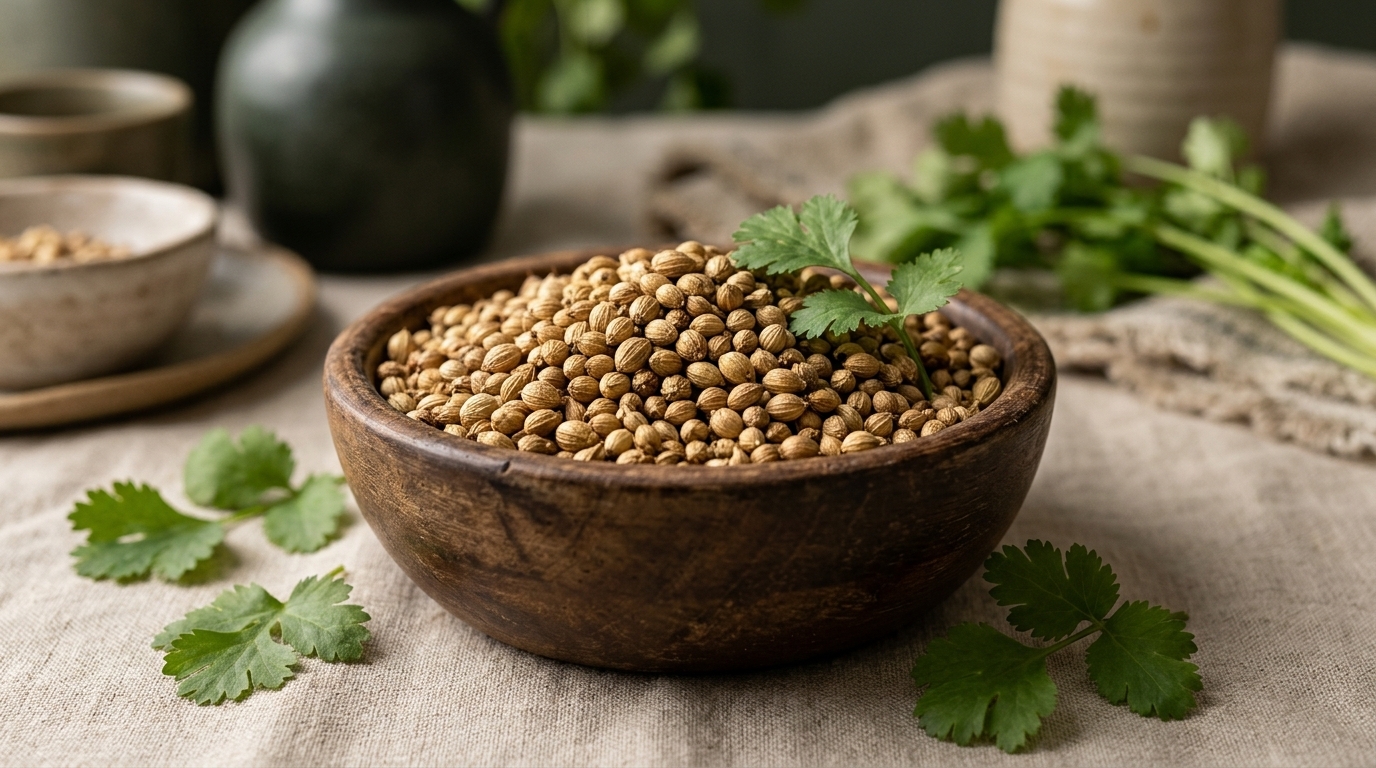
Coriander seeds serve several commercial and industrial applications, making them an important product for spice traders and food manufacturers.
When evaluating Egyptian suppliers, international buyers commonly consider:
-
Availability of commercial quantities.
-
Clear product specifications and country of origin.
-
Seed cleanliness and preparation standards.
-
Packaging options suitable for wholesale orders.
-
Availability of requested inspections and documentation.
-
Clear shipping and delivery arrangements.
Price is only one part of the purchasing decision. Product consistency and compliance with destination-market requirements are equally important.
Key Quality Standards for Coriander Seeds
Before importing Egyptian coriander seeds in bulk, buyers should define their required specifications and inspection criteria.
Seed Cleanliness and Foreign Matter
Coriander seeds should be inspected for dust, unwanted plant materials, and foreign matter. The acceptable level should be agreed upon before confirming the order.
Appearance and Color
Appearance and color help buyers assess the general condition and consistency of the product. Natural variations may occur depending on the variety, harvesting, drying, and storage conditions.
Moisture Content
Moisture is an important factor affecting storage stability and product quality. Buyers should specify the acceptable moisture level according to their product requirements and destination-market regulations.
Natural Aroma
Coriander seeds should retain their characteristic natural aroma without unusual odors that may indicate improper storage or moisture exposure.
Laboratory Testing
Depending on the destination market, buyers may request tests for pesticide residues, microbiological contamination, mycotoxins, and heavy metals.
How to Choose an Egyptian Coriander Supplier
Selecting the right supplier helps importers reduce sourcing risks and improve the likelihood of receiving products that meet their specifications.
Before confirming an order, consider the following:
| Evaluation Factor | What to Check |
|---|---|
| Product specifications | Variety, appearance, and cleanliness |
| Samples | Compliance with agreed specifications |
| Quantity | Ability to meet the requested volume |
| Packaging | Bag type and packaging weight |
| Testing | Available and required laboratory tests |
| Documentation | Export and origin documents |
| Shipping | Delivery terms and destination |
It is advisable to document all agreed specifications in the quotation or purchase contract.
Packaging Egyptian Coriander for Export
Packaging requirements depend on the buyer's business model, order volume, transportation method, and storage conditions.
Options to discuss with the supplier may include:
-
Sacks suitable for commercial quantities.
-
Bulk packaging for importers and wholesalers.
-
Customized packaging weights.
-
Food-grade packaging materials suitable for protecting the product from moisture.
Before production or shipment, buyers should confirm packaging material, net weight, sealing method, and labeling requirements.
Documents Required for Coriander Export from Egypt
Documentation requirements vary depending on the importing country and its customs and regulatory procedures.
Documents that may be required include:
-
Commercial Invoice.
-
Packing List.
-
Certificate of Origin, when required.
-
Shipping Document.
-
Applicable health or technical certificates.
-
Laboratory test reports, when requested.
Importers should verify the current requirements of their destination market before shipment.
What Information Is Needed to Request a Coriander Quotation?
To receive a relevant quotation, buyers should provide:
-
Required quantity in kilograms or metric tons.
-
Destination country and port.
-
Required coriander seed specifications.
-
Packaging type and weight per bag.
-
Required tests or certificates.
-
Preferred shipping and delivery terms.
-
Expected delivery schedule.
Providing these details helps suppliers review the request and identify suitable sourcing options.
Sourcing Egyptian Coriander Through Trust Herbal
Trust Herbal operates in the Egyptian herbs, spices, and seeds export sector, offering services related to product preparation, packaging, and shipping.
Importers, wholesalers, and food manufacturers can contact Trust Herbal to inquire about the availability of Egyptian coriander seeds and discuss their sourcing requirements.
When submitting an inquiry, include your required quantity, destination country, product specifications, and preferred packaging details.
Frequently Asked Questions About Coriander Export from Egypt
Can Egyptian coriander be supplied in bulk?
Importers can inquire about commercial quantities. Availability, specifications, and delivery conditions should be confirmed before placing an order.
What quality parameters should be checked?
Important parameters include cleanliness, foreign matter, moisture content, appearance, aroma, and any laboratory tests required by the destination market.
Do coriander import requirements differ between countries?
Yes. Import regulations, documentation, testing, and packaging requirements vary between destination markets.
How is the export price of Egyptian coriander determined?
Pricing depends on order quantity, product specifications, preparation level, packaging, shipping destination, and delivery terms.
Should importers request samples before placing an order?
Yes. Requesting and inspecting a representative sample is recommended before confirming a commercial order.
What information is needed to request a quotation?
Buyers should provide the quantity, destination, product specifications, packaging preferences, shipping requirements, and any special testing or documentation needs.
Contact Trust Herbal for Egyptian Coriander Export Inquiries
If you are looking for an Egyptian supplier of herbs, spices, and seeds, contact Trust Herbal to discuss your sourcing and export requirements.